 EN
EN DE
DE ES
ES FR
FR NL
NL PT
PT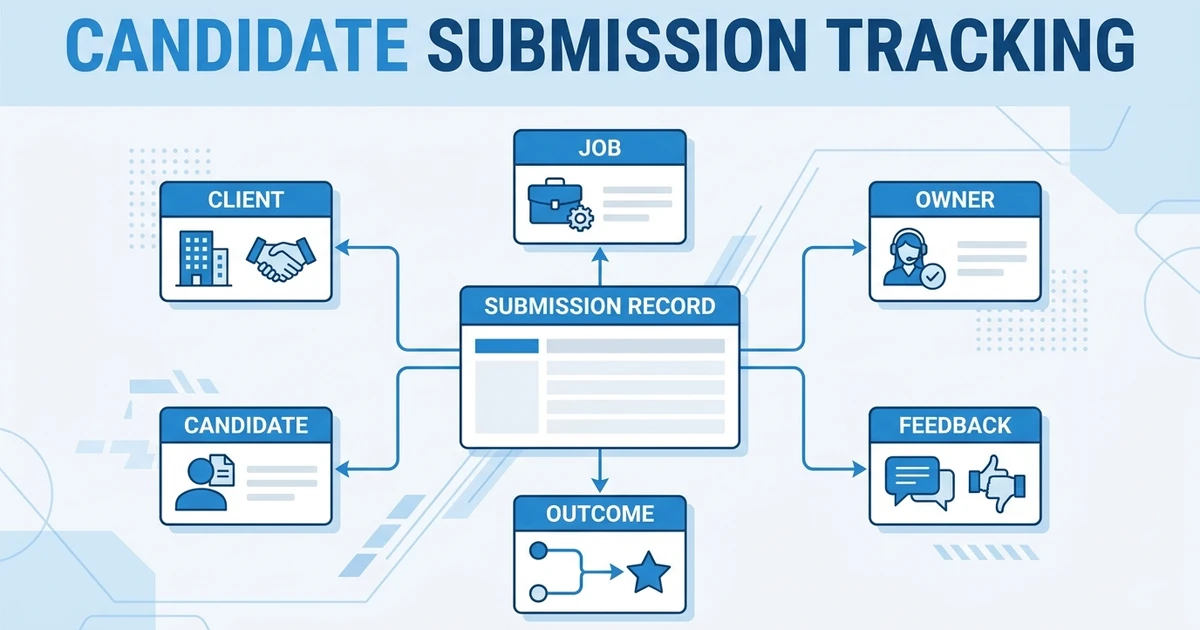





Quick Answer: Candidate submission tracking helps recruitment agencies prove who submitted a candidate, when the submission happened, which client and role it was tied to, and what feedback came back. It protects ownership by turning a risky email trail into a searchable workflow that connects candidates, clients, jobs, submissions, and outcomes.
Candidate submission tracking is not just an admin habit. For agencies, it is the difference between “we think we sent that profile” and “we can show the submission record, owner, date, client contact, and next step.”
That matters when clients move slowly, multiple recruiters touch the same account, or another agency claims the candidate first.
This guide explains what to track, how the workflow protects ownership, and how to build a process that gives your team visibility without adding another layer of busywork.
Why candidate submission tracking matters for recruitment agencies
Recruitment agencies do not lose ownership only because clients act unfairly. They often lose it because the submission trail is too weak to defend.
If a recruiter sends a CV by email, another recruiter follows up in WhatsApp, and the hiring manager gives feedback in a separate thread, no one has a single source of truth. That gap becomes painful when a candidate reaches offer stage and the client asks who introduced them first.
Good tracking also protects the client relationship. The American Staffing Association’s search and placement code encourages staffing firms to address placement terms in written agreements and clearly define services, fee entitlement, confidentiality, and candidate-related conditions with clients in its code of ethics and good practices.
This blog is not legal advice. Your contract language still matters. The operational point is simpler: if your team cannot see the submission trail, your contract is harder to support in practice.
What should a candidate submission workflow include
A strong workflow records more than the fact that a CV was sent. It captures the evidence chain around the recruitment candidate submission.
At minimum, your team should know who represented the candidate, whether the candidate approved the submission, which client and job received the profile, and what the client did next.
| Tracking area | Weak tracking | Strong tracking |
|---|---|---|
| Submission proof | Email sent from one recruiter inbox | Timestamped record tied to candidate, client, job, and owner |
| Candidate context | CV attachment only | Profile, notes, motivation, compensation, availability, and consent status |
| Client feedback | Replies scattered across email or chat | Feedback attached to the submission and visible to the team |
| Ownership visibility | Recruiters ask around before submitting | Previous submissions and client history are searchable before action |
| Outcome tracking | Interview and rejection notes live separately | Submission, interview, offer, rejection, and placement status stay connected |
This is where an applicant tracking system for recruitment agencies becomes useful. The ATS should not only move candidates through stages. It should preserve the context behind each movement.
When submission records sit beside client notes and job details, recruiters can move faster without losing the facts that protect the agency.
How candidate submission tracking protects ownership
Candidate ownership tracking starts before the client replies. The strongest record is created at the moment of submission, not after a dispute begins.
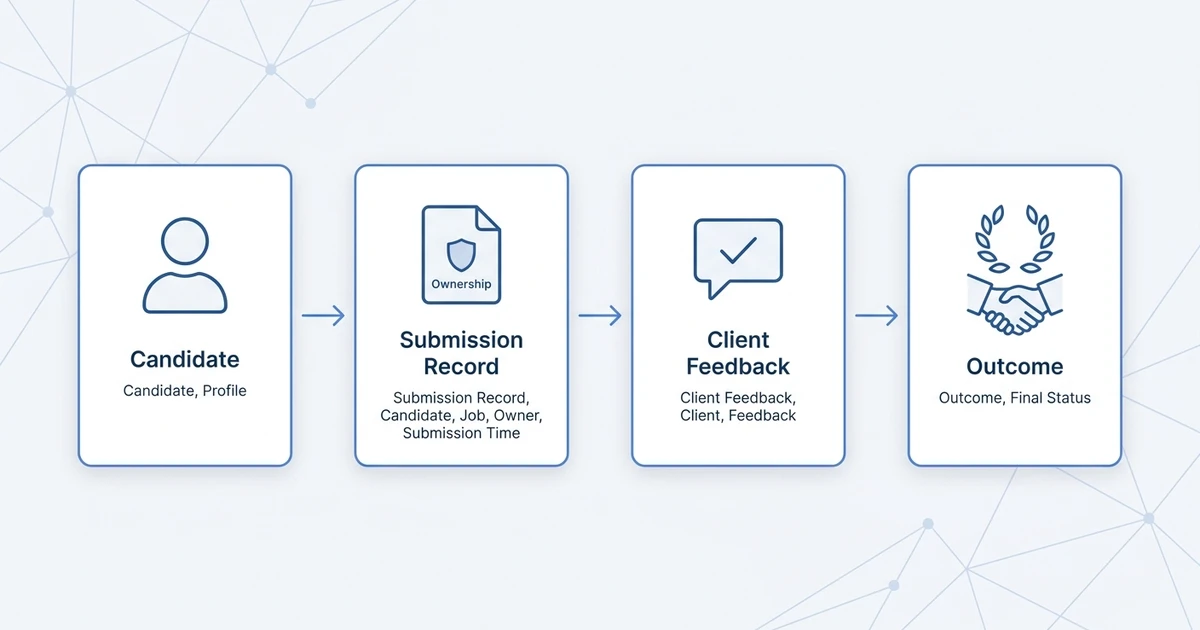
Your submission record should answer five questions without a meeting:
- Who submitted the candidate?
- Which candidate profile was submitted?
- Which client, contact, and role received the profile?
- When did the submission happen?
- What approval, notes, and follow-up were attached?
Ownership disputes usually become messy when one of those answers is missing. A client may say the candidate was already in their database. Another agency may claim they sent the person first. A recruiter may leave the business and take context with them.
Submission tracking gives your team a practical audit trail. It does not replace a signed agreement, but it makes your side of the story easier to reconstruct.
It also reduces duplicate submissions inside your own agency. If one consultant can see that another consultant already submitted a candidate to the same client, they can coordinate instead of creating confusion.
Where agencies lose visibility after sending candidates
The moment after submission is where many agencies lose control. The candidate has left your internal pipeline, but the client has not made a decision yet.
That middle space is where feedback disappears.
Common visibility gaps include:
- CVs sent as attachments with no connected submission record
- Hiring manager feedback split across several inboxes
- Recruiters using private notes instead of shared records
- Client replies happening in Slack, WhatsApp, or LinkedIn
- Duplicate candidates being submitted because history was not checked
- Account managers lacking visibility into what delivery already sent
SHRM notes that candidates expect communication, streamlined experiences, and quick decisions, while recruiters are also trying to reduce friction in the hiring process in its Recruiter Nation coverage. Agencies feel that same pressure from clients.
If the submission status is unclear, recruiters chase updates manually. If the feedback is not captured, the next shortlist is weaker. If ownership is not visible, the commercial risk grows quietly until there is a fee conversation.
ATZ CRM helps agencies connect submitted candidates, client contacts, feedback, and pipeline movement through client submission software built for recruitment workflows, not generic contact tracking.
How to set up submission tracking without creating admin overload
The goal is not to make recruiters fill out a long form every time they send a profile. The goal is to make the right record easy to create.
Start with the few fields that protect ownership and improve client follow-up.
- Define submission ownership rules internally
Decide what counts as a valid submission inside your agency. For example, you may require candidate approval, a linked job, a client contact, and a timestamp.
This keeps recruiters from relying on vague notes like “sent profile last week.”
- Connect every submission to a job and client contact
A candidate submission should not float as a standalone email. Tie it to the role, company, hiring manager, recruiter owner, and candidate record.
That connection matters later when the client has several roles open or a candidate is suitable for more than one search.
- Use one submission record instead of scattered notes
Keep the submitted CV, profile summary, compensation notes, motivation, availability, and concerns in one place.
If your agency uses a candidate presentation software workflow, the presentation should still connect back to the source record.
- Capture client feedback in the same workflow
Feedback should not live only in a reply thread. Track whether the client wants an interview, needs more information, rejects the candidate, or has not responded.
This turns client submission tracking into a better delivery process, not just a defensive record.
- Review movement every week
The American Staffing Association describes a practical KPI path where candidate conversations lead to client submissions, submissions lead to interviews, interviews lead to starts, and starts generate gross profit in its staffing KPI guidance.
That is why submission tracking should feed reporting. If submissions are not turning into interviews, your issue may be role qualification, shortlist quality, client responsiveness, or recruiter follow-up.
- Create a simple escalation path
Ownership protection gets weaker when recruiters are unsure what to do with exceptions. Define what happens when a client says they already know the candidate, when two recruiters submit the same profile, or when a hiring manager gives feedback outside the normal channel.
The rule does not need to be complicated. It should tell recruiters who reviews the record, which evidence matters, and when the account manager or leadership team needs to step in.
That small operating rhythm keeps disputes from turning into long internal debates. It also helps newer recruiters learn how the agency protects client relationships while still defending legitimate introductions.
What to look for in submission tracking software
The right software should reduce manual checking, not create another place for recruiters to update.
Look for workflow fit before feature count.
Key capabilities to evaluate:
- ATS and CRM records connected in one system
- Timestamped activity history for each submission
- Candidate consent or representation notes
- Visibility into previous submissions and duplicate risks
- Client feedback tied to the candidate and job
- Candidate presentation or shortlist workflow
- Permissions for recruiters, account managers, and leaders
- Reporting on submissions, interviews, offers, and placements
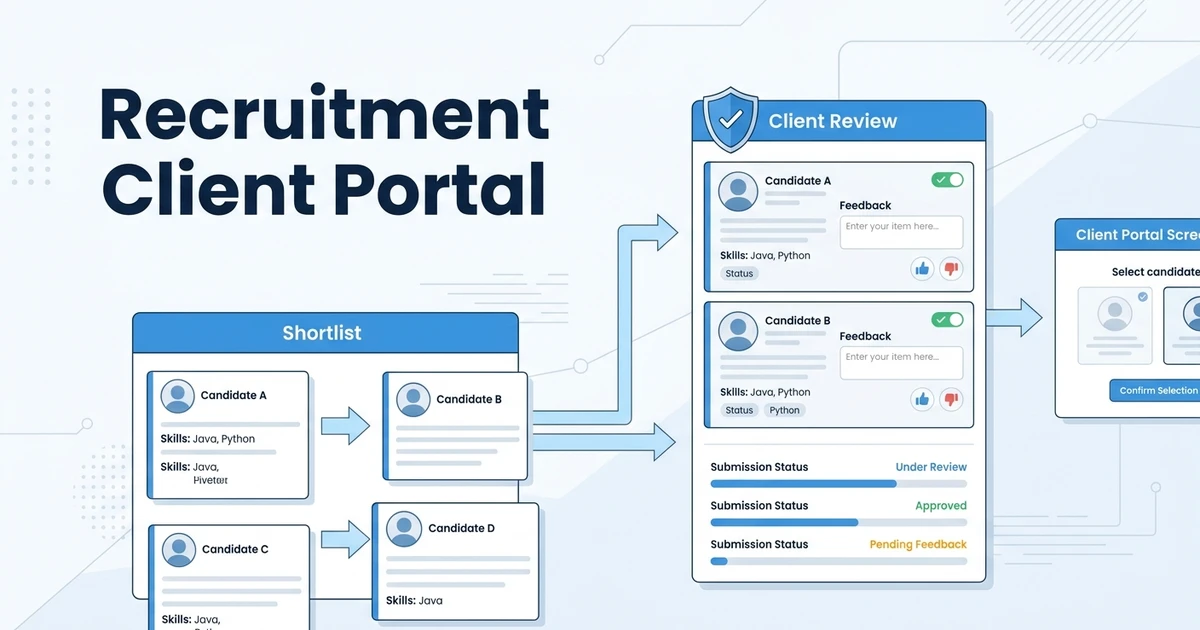
A recruitment client portal guide can help if your main pain is client review speed. But a portal alone is not enough if the submission record does not connect to the ATS, CRM, and reporting layer.
For ownership protection, the system must show the full path from candidate identification to client submission to outcome.
It should also make the workflow easy enough for recruiters to use during a busy desk day. If the process depends on manual copying, extra spreadsheets, or remembering to update several separate systems, adoption will drop when roles are urgent.
The better test is practical: can a recruiter open a candidate record, see relevant client history, submit the profile, capture feedback, and report movement without rebuilding the story somewhere else? If yes, the system is supporting the way agencies actually work.
How a connected platform supports submission tracking
ATZ CRM connects candidate records, client accounts, jobs, submissions, feedback, and reporting in one recruitment workspace.
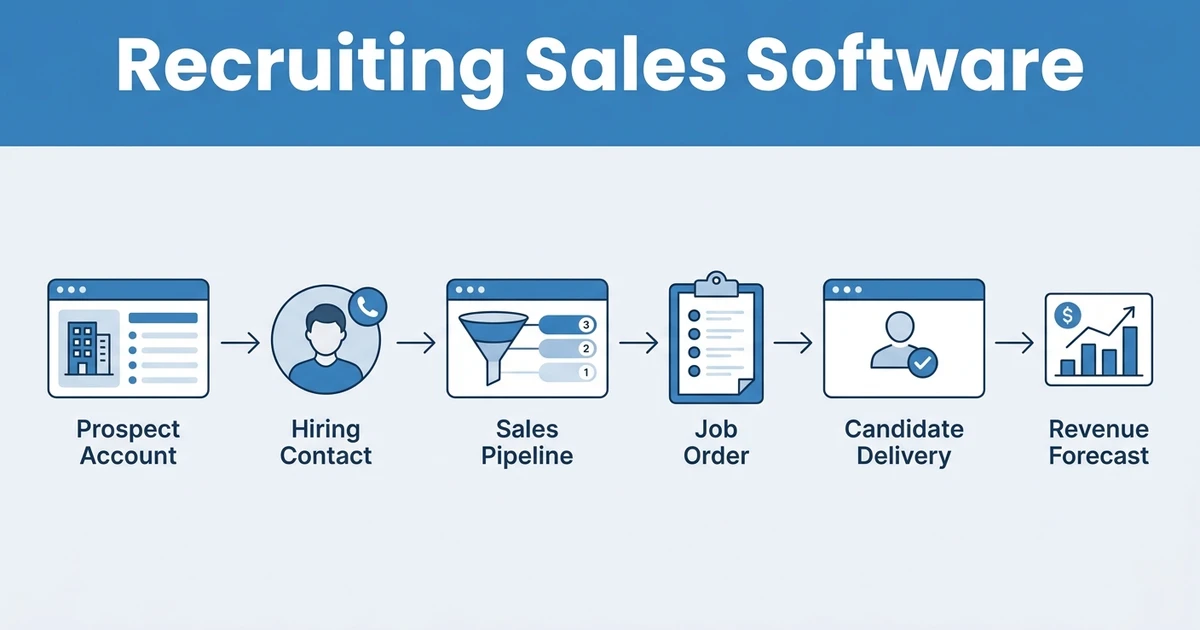
That matters because agencies do not submit candidates in isolation. A candidate submission is connected to sourcing history, client relationships, role requirements, interview movement, and eventual placement revenue.
With ATZ CRM, your team can manage candidate records in the ATS, connect them to client relationships in the CRM, and keep submission activity visible across recruiters and account managers.
For agencies that need a more structured client review experience, recruitment client portal software can help clients review submitted profiles and respond without burying feedback in email.
The practical value is simple: your recruiters spend less time reconstructing what happened and more time moving the right candidates forward.
Frequently Asked Questions
What is candidate submission tracking?
This tracking process records the candidate, client, job, recruiter owner, submission time, submitted profile, feedback, and outcome. It gives agencies a clear record of what was sent and what happened after the client received it.
How does submission tracking protect agency ownership?
It protects ownership by creating a timestamped operational trail. If a candidate later reaches interview or offer stage, your team can see who submitted the candidate, when they did it, which role it was for, and what client response followed.
What should recruiters track when submitting candidates to clients?
Recruiters should track candidate approval, role fit, client contact, submission date, submitted CV or profile, compensation notes, availability, recruiter owner, feedback, interview movement, and final outcome. The goal is to make every submission easy to review later.
Is tracking submissions the same as using a client portal?
No. A client portal helps clients review candidates and provide feedback in one place. Submission tracking is the internal record that connects the portal activity, candidate record, job, client account, and recruiter workflow.
Can a generic CRM track candidate submissions?
A generic CRM can track companies, contacts, tasks, and notes, but it usually does not understand recruitment agency submissions out of the box. Agencies often need ATS context, candidate history, job matching, submissions, interviews, and placements in the same workflow.
How do agencies handle duplicate candidate submissions?
Agencies should make previous submissions visible before a recruiter sends a candidate to a client. They should also define internal rules for ownership windows, candidate approval, duplicate handling, and account manager escalation.
Conclusion
Candidate submissions are commercial events, not just emails. They affect ownership, client trust, recruiter productivity, and placement visibility.
If your team cannot see who submitted a candidate, when it happened, and what the client did next, your agency is carrying avoidable risk.
The fix is not more manual admin. It is a connected workflow where every submission links back to the candidate, client, job, recruiter, feedback, and outcome.
If you want to protect your submission process before another profile gets buried in email, book a demo of ATZ CRM and see how connected ATS + CRM workflows help agencies track submissions from first send to final placement.